28 May 2026
Charting Performance Metrics: Software Update Impacts on Mobile Card Gaming Experiences
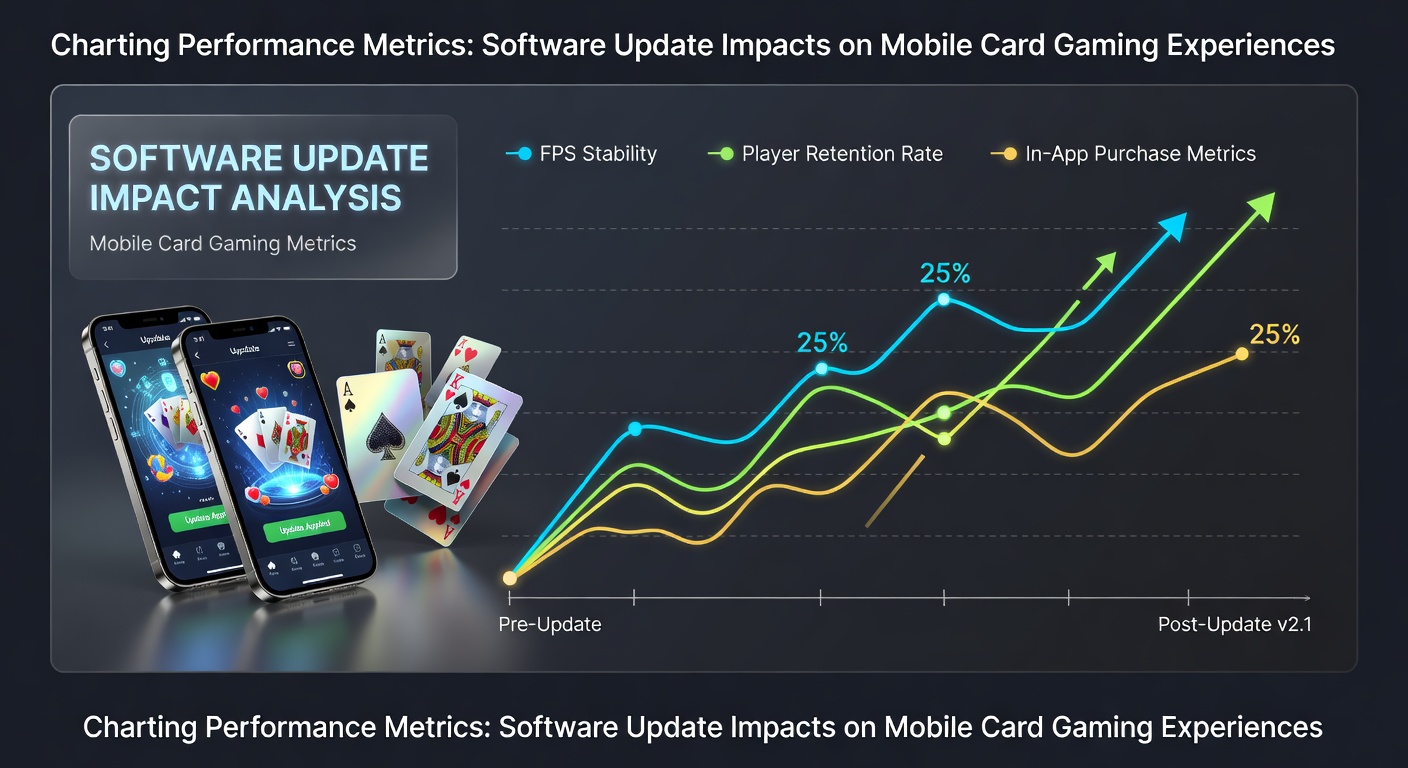
Software updates continue to reshape performance metrics in mobile card gaming, where developers track frame rates, input latency, and resource allocation across iOS and Android platforms. Researchers have documented shifts in these indicators following major releases, and data from device telemetry shows measurable changes in how games handle real-time card dealing and multiplayer synchronization. Observers note that updates often introduce optimizations alongside new features, which alters the baseline for battery drain and thermal output during extended sessions.
Key Performance Indicators in Mobile Card Gaming
Teams measure several core indicators to evaluate update effects. Frame rate consistency remains central, since card animations and table interactions demand steady rendering above 60 frames per second on most flagship devices. Input response times also factor heavily, because players expect immediate feedback when tapping to fold, call, or raise during live rounds. Memory usage patterns shift after updates, and studies indicate that background processes can increase RAM consumption by 15 to 25 percent on mid-range handsets when new shaders or asset loaders activate.
Network latency metrics matter equally in online card environments. Updates that modify connection protocols sometimes reduce average ping by several milliseconds, yet they occasionally introduce packet loss spikes during peak hours. Device manufacturers publish their own benchmarks, and cross-referencing these with app-specific logs reveals how chipset generations respond differently to the same patch.
Update Cycles and Their Measured Effects
Major operating system releases occur annually, while card game developers push smaller patches every four to six weeks. In May 2026 several titles aligned their builds with Android 16 and iOS 19 betas, which allowed analysts to compare pre-update and post-update datasets collected from thousands of active sessions. Results showed that certain graphics pipelines gained efficiency on newer GPUs, while older devices experienced occasional stuttering when particle effects for chip stacks rendered at higher resolutions.
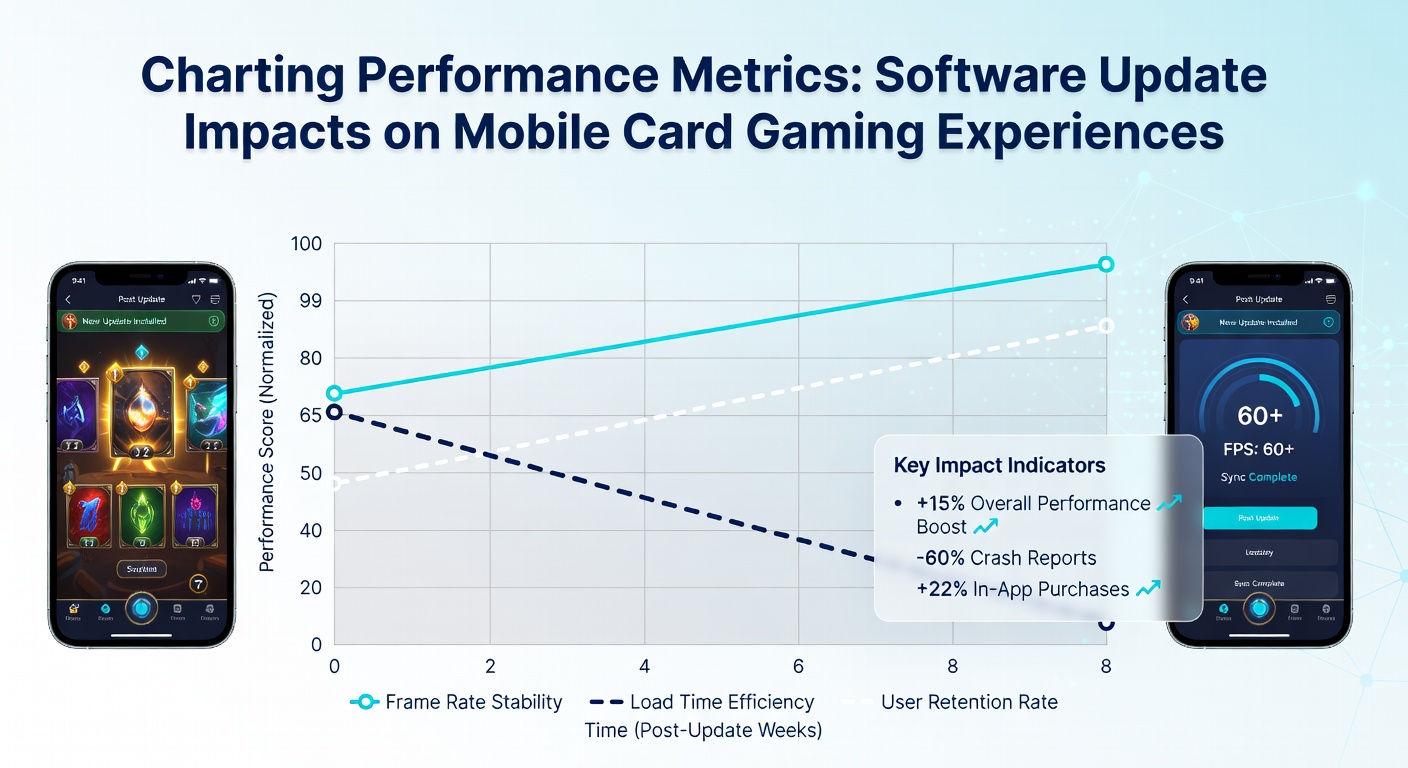
Thermal throttling presents another variable. Engineers at various studios track skin temperatures because sustained card sessions push processors harder than casual browsing. One report compiled by Innovation, Science and Economic Development Canada highlighted how particular kernel changes in 2025 reduced peak heat by nearly two degrees Celsius on select Snapdragon models, yet the same adjustments raised average power draw on Exynos chips. These regional differences underscore why global studios maintain separate optimization branches.
Cross-Platform Variations and Device Fragmentation
Android's diverse hardware ecosystem creates wider variance than iOS after each update cycle. High-refresh-rate screens introduced in 2024 models benefit from variable rate shading techniques added in recent patches, delivering smoother card flips and dealer animations. Lower-tier devices, however, sometimes see frame drops when developers prioritize visual fidelity over broad compatibility. Apple’s more uniform silicon allows tighter control, and telemetry indicates that Metal API updates typically improve draw-call efficiency across the lineup.
Battery life metrics also diverge. Data collected through embedded analytics shows that certain background download routines introduced in spring 2026 patches increased idle drain by roughly 8 percent on devices running older modem firmware. Users who disable automatic asset caching often report longer play windows, which illustrates how software choices interact with hardware constraints.
Industry Standards and Measurement Practices
Organizations such as the International Center for Responsible Gaming have begun publishing guidelines that encourage transparent reporting of performance data alongside engagement statistics. Academic groups at Monash University have examined how latency fluctuations correlate with session length in controlled trials, and their findings suggest that sub-30-millisecond response windows correlate with steadier player retention across tested titles.
Developers increasingly rely on synthetic benchmarks alongside live telemetry. These tools simulate thousands of concurrent card tables to predict how an update will behave under load. When discrepancies appear between lab results and field data, teams iterate quickly, releasing hotfixes that address memory leaks or shader compilation delays discovered after broad deployment.
Conclusion
Performance metrics continue to evolve alongside software updates in mobile card gaming, driven by hardware advances and developer priorities. Tracking frame consistency, latency, thermal output, and power consumption provides clear signals about each patch’s net effect. Regional regulatory bodies and university studies supply additional context that helps studios refine their approaches across diverse device populations. As update cycles persist, ongoing measurement remains essential for maintaining stable experiences on both flagship and budget hardware.