23 Jul 2026
Cross-Border Player Networks Driving Poker Bonus Adaptations in Niche Markets
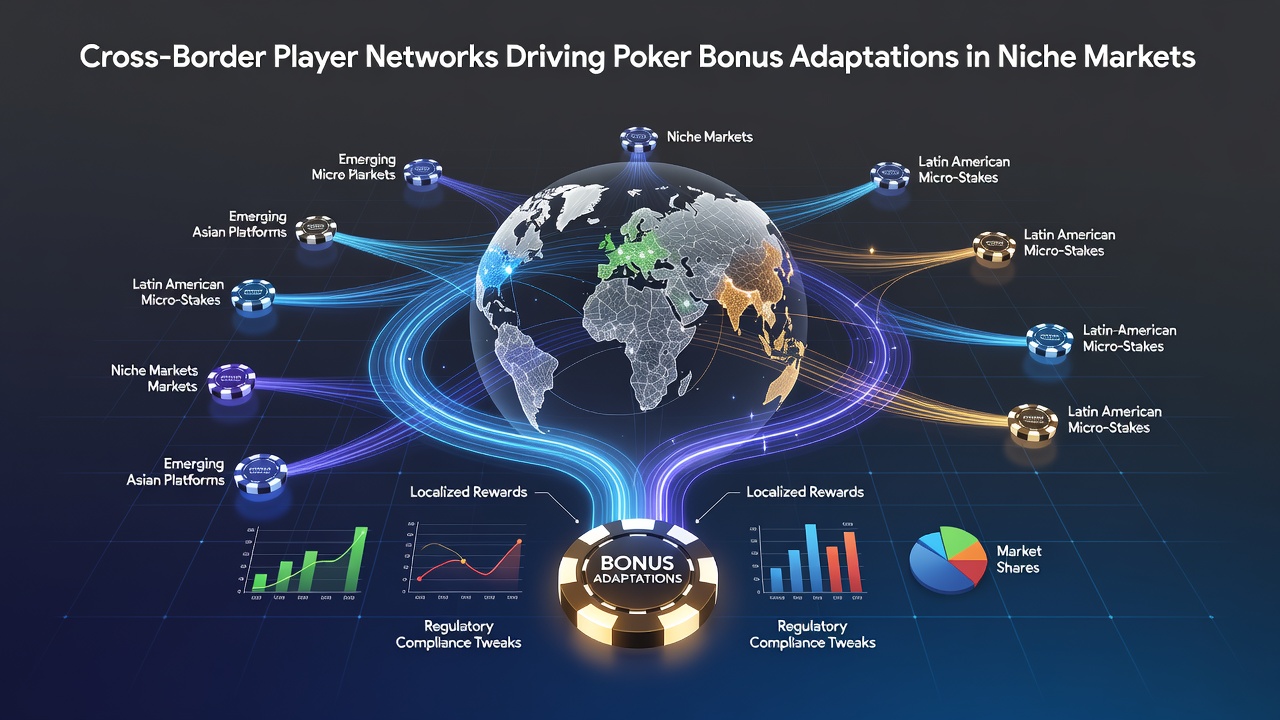
Cross-border player networks have reshaped how poker platforms design and deliver bonuses in targeted regional markets, with data from multiple jurisdictions showing increased coordination among players who share accounts across borders. These networks often operate through private forums, messaging groups, and shared databases that track promotion availability in places like Southeast Asia and Latin America, prompting operators to recalibrate bonus structures in response to collective player behavior. Research from academic institutions indicates that such sharing accelerates the spread of optimal bonus strategies, leading platforms to introduce region-specific caps and wagering requirements by mid-2026.
Network Formation and Information Flow
Players establish connections across national boundaries through language-specific chat channels and regional tournament circuits, which allows details about bonus eligibility to circulate rapidly among groups in different time zones. Data shows that participants in these networks frequently test multiple platforms simultaneously, compiling records of payout reliability and bonus clearance times that influence decisions made by operators serving niche demographics. Observers note that this information exchange creates feedback loops where a single successful bonus claim in one market triggers similar attempts elsewhere, forcing adjustments in promotional terms within weeks rather than months.
Regional Regulatory Influences
Regulators in various jurisdictions respond to these network dynamics by monitoring cross-border activity patterns, with agencies such as the Malta Gaming Authority publishing guidelines that address bonus transparency in multi-jurisdictional environments. In Canada, provincial bodies track similar trends among players accessing international sites, while Australian authorities examine how network-driven claims affect local compliance standards. Figures from industry reports reveal that platforms operating in these areas have updated bonus frameworks to include geo-specific verification steps, reducing instances of coordinated exploitation that previously strained operational resources.
By July 2026, several platforms had implemented tiered bonus systems that differentiate between local and cross-border participants based on account history and network signals detected through behavioral analytics. This adaptation emerged after data indicated clusters of accounts originating from shared IP ranges or linked devices, patterns commonly associated with network activity in smaller markets.
Adaptations in Specific Niche Markets
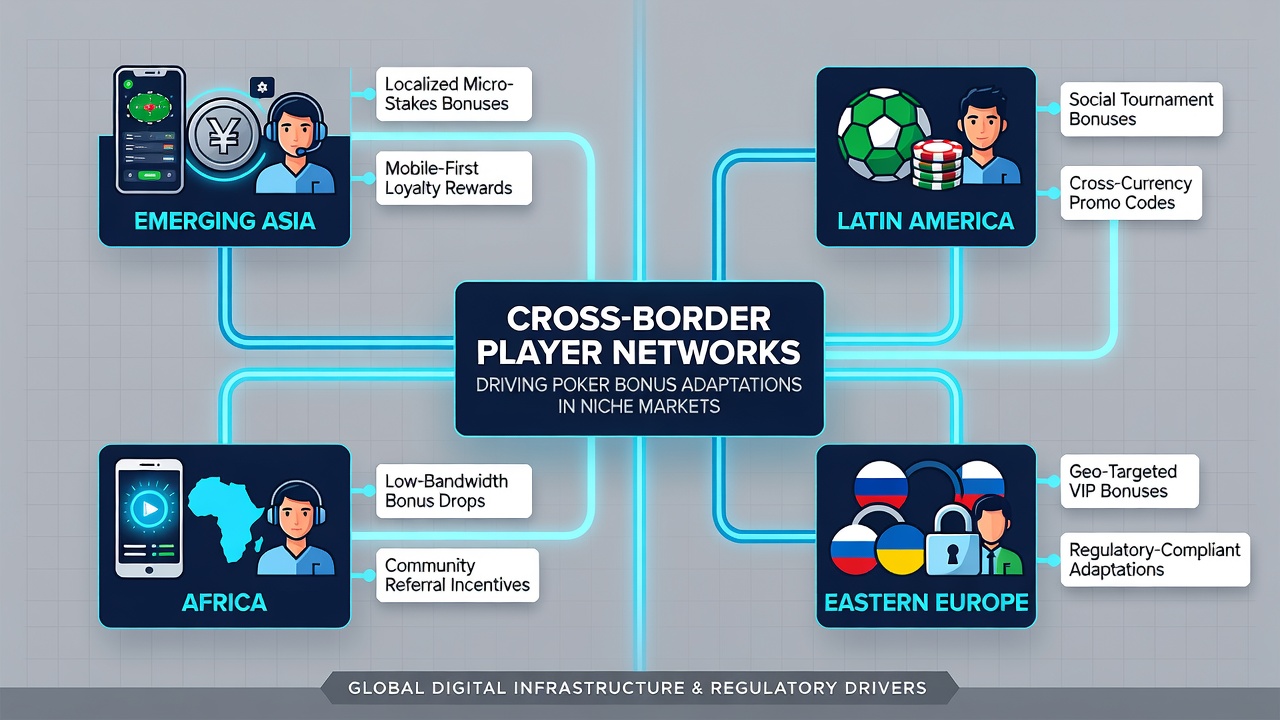
Niche markets in Eastern Europe and parts of Africa have seen operators introduce loyalty multipliers tied to deposit frequency rather than total volume, a shift attributed to network members pooling resources to maximize initial offers. Studies from research institutions document how these changes reduced the effectiveness of group strategies while maintaining player engagement levels in those regions. Platforms also began offering time-limited bonuses synchronized with local events, which disrupts the predictability that cross-border networks rely upon when planning coordinated plays.
Operators serving South American markets adjusted bonus rollover conditions after observing that network-shared spreadsheets allowed players to optimize clearance across multiple sites simultaneously. Evidence from transaction logs shows a corresponding rise in single-platform loyalty programs designed to retain users who previously migrated between operators based on network recommendations. These modifications reflect broader efforts to balance promotional appeal with risk management in environments where information travels quickly across borders.
Technological Responses and Data Patterns
Platforms employ machine learning tools to identify network clusters by analyzing login patterns, deposit correlations, and withdrawal behaviors that align with known cross-border coordination tactics. According to reports compiled by gaming technology providers, these systems flagged a measurable increase in such activity during the first half of 2026, particularly in markets with emerging player bases. The resulting adaptations include personalized bonus offers that limit stacking potential for users exhibiting network-like traits while preserving incentives for isolated players.
Those who study player migration patterns point to the role of mobile applications in strengthening these networks, as push notifications and in-app messaging facilitate real-time updates on bonus availability across different regulatory zones. Data indicates that platforms responding with localized app features have seen steadier retention rates in niche segments compared to those maintaining uniform global promotions.
Conclusion
Cross-border player networks continue to drive incremental changes in poker bonus design across niche markets, with operators incorporating network detection capabilities and region-specific rules to address coordinated activity. Regulatory updates from bodies in multiple continents support these platform-level adjustments, creating an environment where bonus structures evolve in tandem with the information-sharing practices of international player groups. As of July 2026, available figures suggest these adaptations have stabilized promotional ecosystems in several targeted regions without eliminating incentives for individual participation.