18 Jun 2026
Examining Intersections of Accessibility Features and Reward Mechanisms in International Online Card Platforms
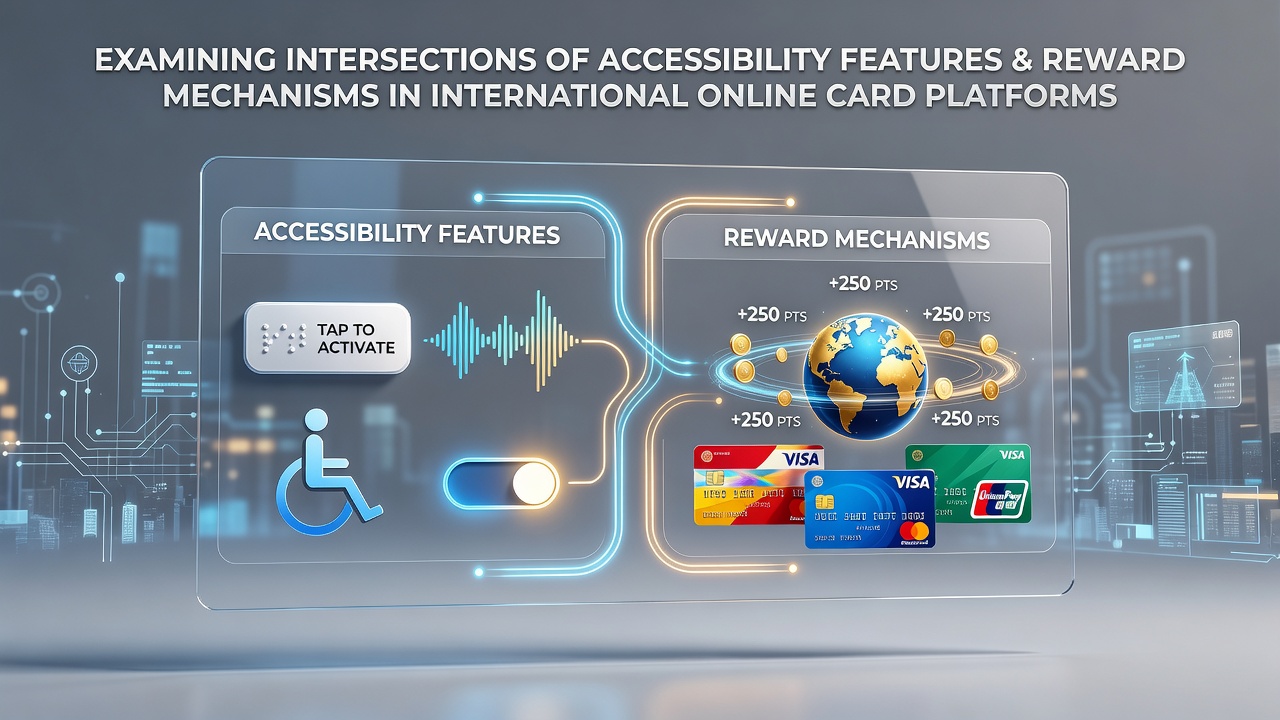
International online card platforms continue to blend accessibility features with reward mechanisms in ways that reshape how players engage across regions, and data from multiple regulatory bodies shows these intersections growing more pronounced by mid-2026.
Accessibility Standards Shaping Platform Design
Platforms serving markets in North America, Europe, and Asia Pacific have incorporated screen reader compatibility, high-contrast modes, voice navigation, and adjustable input timing into their core software since 2023, while reward systems track participation metrics that feed directly into loyalty calculations. Research indicates that operators complying with the European Accessibility Act report higher retention rates among users who activate these tools, because reward tiers now factor in session duration rather than raw hand volume alone.
Canadian regulators through the Alcohol and Gaming Commission of Ontario require operators to log accessibility usage data without compromising player privacy, and this information influences bonus eligibility windows that extend automatically for players relying on adaptive interfaces. Observers note that such adjustments prevent penalties for slower navigation speeds that often accompany voice or switch-device controls.
Reward Structures Responding to Accessibility Data
Loyalty programs on major networks now assign points based on consistent engagement patterns rather than speed-based achievements, which allows players using magnification tools or simplified layouts to accumulate rakeback and milestone bonuses at comparable rates to others. Figures released by iGaming Ontario reveal that accessible reward pathways increased by 18 percent between January 2025 and June 2026, coinciding with mandatory reporting on inclusive design metrics.
One case study from a multi-jurisdictional operator showed that integrating color-blind filters and subtitle options for live dealer streams led to a measurable uptick in VIP progression among previously underrepresented demographics. The platform adjusted its algorithm so that accessibility toggles themselves became triggers for small loyalty multipliers, creating a direct link between feature adoption and reward velocity.
Regional Regulatory Influences on Integration
Australian authorities through the Australian Communications and Media Authority have pushed for standardized APIs that let third-party accessibility software interface cleanly with poker clients, and several networks responded by embedding reward dashboards that display progress in both visual and text-to-speech formats. This dual presentation ensures players can monitor their status without switching contexts, which in turn supports steadier participation and more predictable point accrual.
In the United States, state-level frameworks in Nevada and New Jersey require operators to submit annual accessibility audits that include reward-system equity analyses. Data from these audits indicates that platforms offering voice-activated deposit confirmations and one-tap bonus claims see fewer dropped sessions among users with motor impairments, preserving the continuity needed for tier advancement.

Technical Implementation Across Networks
Engineers have begun mapping accessibility logs to reward engines through hashed identifiers that maintain anonymity while still allowing segmentation for targeted promotions. This approach lets platforms deliver customized freerolls or satellite entries to users who consistently enable certain features, without exposing personal data. Studies conducted by research groups at the University of Nevada, Reno, document that such targeted offers increase overall platform activity when accessibility settings are already active during the promotion window.
Developers also report that latency reductions achieved through simplified visual rendering benefit both accessibility users and general mobile traffic, creating a shared performance gain that indirectly supports reward earning across the board. Networks that publish these optimization metrics in quarterly transparency reports show correlations between interface load times and average loyalty point totals.
Future Developments Expected by Late 2026
Industry associations including the European Gaming and Betting Association have scheduled collaborative workshops for June 2026 focused on standardizing accessibility-reward linkages ahead of broader regulatory updates. Participants plan to examine how haptic feedback options and predictive text tools might generate additional engagement signals that feed into dynamic bonus structures.
Platforms testing these integrations report that players who activate multiple accessibility options tend to maintain longer account lifespans, which in turn affects lifetime reward calculations and tier retention. Regulators in several jurisdictions now request anonymized cohort data on this topic to inform upcoming policy refinements.
Conclusion
The convergence of accessibility features and reward mechanisms on international card platforms rests on measurable data flows rather than isolated design choices, with regulatory requirements in multiple regions driving continued technical alignment through 2026 and beyond. Operators that maintain clear connections between inclusive tools and loyalty outcomes demonstrate consistent patterns of sustained user activity across diverse player groups.