25 Jun 2026
How Cultural Preferences Shape Transaction Security Choices in Portable Card Gaming Platforms
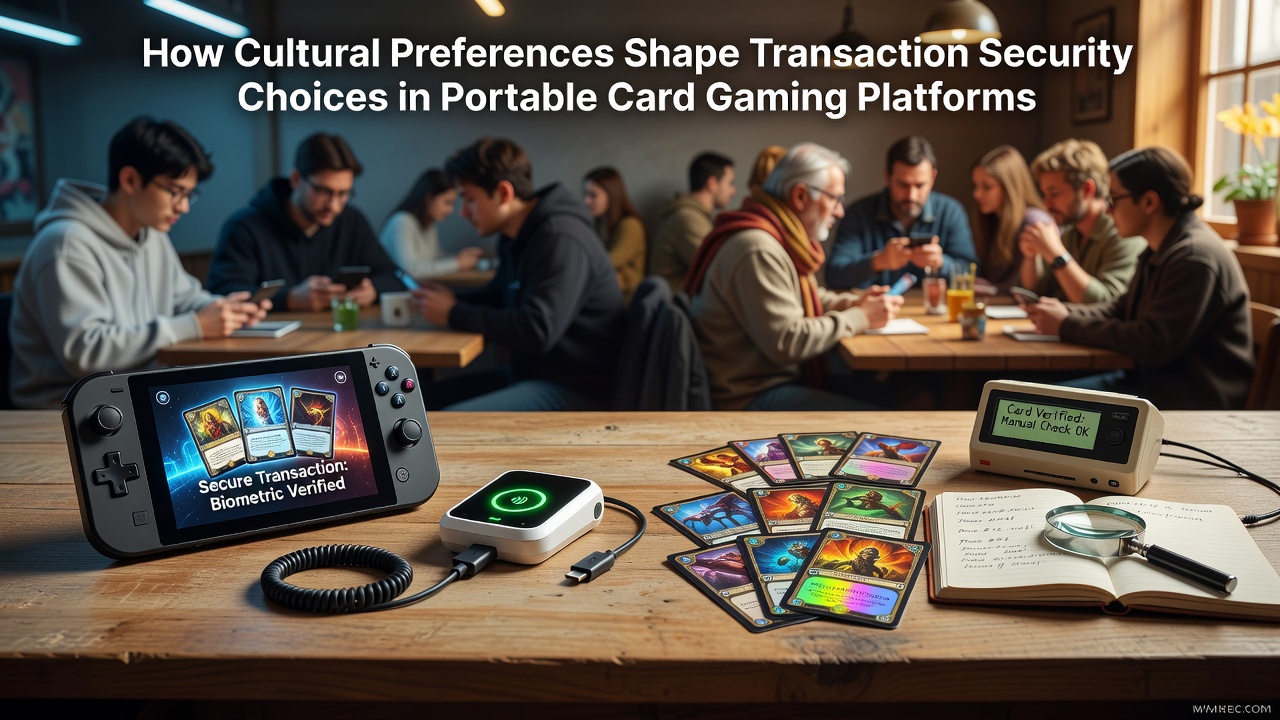
Portable card gaming platforms have expanded rapidly across international markets, and transaction security choices often reflect deep-seated cultural attitudes toward privacy, trust, and technology adoption, according to industry reports from June 2026. Players in different regions select payment methods and verification systems that align with longstanding societal norms rather than uniform global standards.
Privacy Norms and Regional Trust Patterns
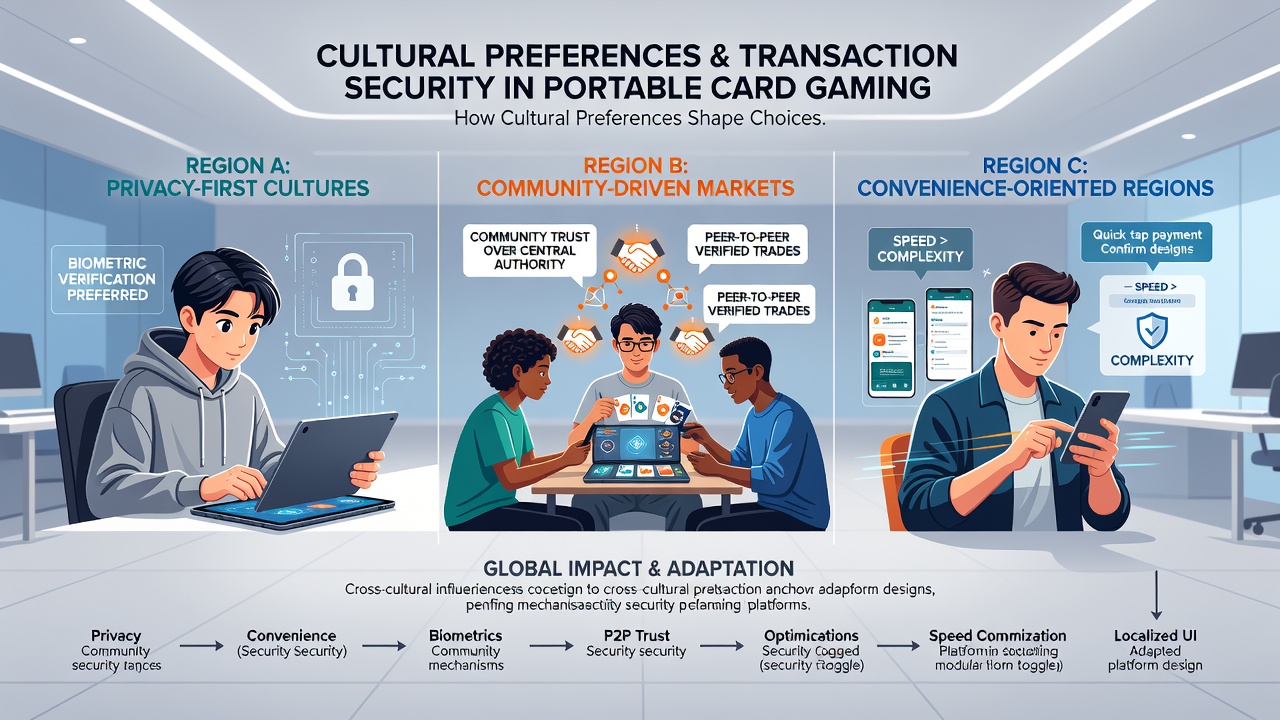
Collectivist societies in East Asia tend to favor transaction methods that emphasize group accountability and state-backed verification systems, whereas individualistic markets in North America lean toward decentralized options that prioritize personal control over data. Research from academic institutions shows these preferences drive platform operators to customize encryption protocols and authentication layers for each demographic. In June 2026 analysts noted increased adoption of localized digital wallets in markets where communal oversight historically reduces perceived risk in financial exchanges.
Payment Method Preferences Across Borders
European users frequently select bank transfers integrated with national identity systems because regulatory frameworks in countries such as Germany and France have long embedded consumer protections into banking infrastructure. Data from the European Gaming and Betting Association indicates that platforms offering these methods record higher completion rates for deposits compared with regions where such integrations remain uncommon. Meanwhile platforms targeting Southeast Asian audiences incorporate mobile carrier billing and e-wallet services tied to popular messaging applications, since those channels already carry established user trust built through everyday commerce.
Biometric Authentication and Cultural Comfort Levels
Biometric verification has gained traction at varying speeds depending on local attitudes toward bodily data collection. Markets in Australia demonstrate steady uptake of fingerprint and facial recognition for card gaming transactions, supported by government-backed digital identity programs that began scaling in 2024. In contrast, certain Middle Eastern regions show slower adoption rates because cultural sensitivities around facial imagery require alternative verification routes such as one-time passcodes delivered through trusted local financial institutions. Those who've examined usage logs report that platforms adjusting biometric prompts based on regional feedback maintain steadier user retention across cultural boundaries.
Regulatory Influences on Security Feature Design
Government policies continue to shape the security toolkits available on portable platforms, and operators respond by embedding region-specific compliance layers. Canadian provincial regulators require enhanced logging for cross-border transactions, prompting platforms to offer detailed audit trails that appeal to users accustomed to transparent financial oversight. Singapore's regulatory approach emphasizes real-time fraud detection tied to national payment rails, leading developers to integrate similar monitoring tools when serving that market. Observers note that these adaptations emerge directly from cultural expectations around authority and accountability rather than arbitrary design choices.
Case Examples from Global Player Segments
One study tracking Latin American participants revealed a strong preference for cash-based top-up options converted through local agents, because historical experiences with centralized banking systems have fostered caution toward fully digital flows. Platforms responded by partnering with established retail networks that already handle high volumes of everyday payments. In parallel, Nordic markets display elevated comfort with fully digital, passwordless flows linked to national ID cards, resulting in faster onboarding sequences that reflect long-standing reliance on government-issued digital credentials.
Emerging Trends Observed in Mid-2026
By June 2026 platform analytics indicated rising demand for hybrid security models that combine local regulatory requirements with culturally familiar interfaces. Players in regions with strong communal values increasingly requested group-linked verification options, while those in privacy-focused societies pushed for granular control over data retention periods. Industry reports show these adjustments have improved transaction success rates without requiring wholesale redesigns of core encryption standards.
Conclusion
Cultural preferences continue to guide how portable card gaming platforms configure transaction security, with payment integrations, biometric options, and verification flows adapting to regional expectations shaped by history, regulation, and daily financial habits. Data from multiple sources confirms that platforms aligning security features with these preferences sustain broader user engagement across international audiences.