23 Jun 2026
How Interface Redesigns Reshape Bonus Claim Patterns Across Global Poker Ecosystems
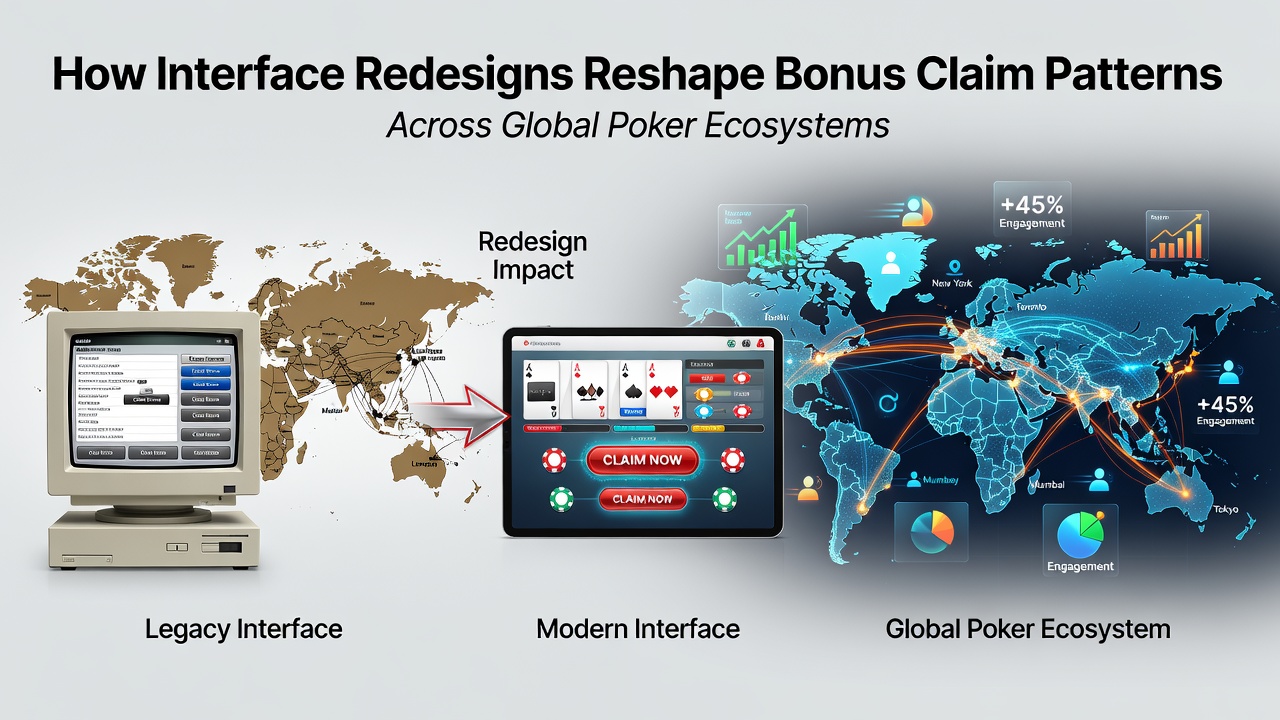
Interface redesigns on poker platforms have altered how players locate and activate promotional offers, and data from multiple regions shows measurable shifts in claim rates following layout changes. Platforms operating across North America, Europe, and Asia-Pacific markets introduced simplified navigation menus, larger call-to-action buttons, and personalized notification systems between 2024 and 2026, which coincided with changes in bonus redemption frequency among different player segments.
Core Design Elements Driving Claim Behavior
Redesigned dashboards now position bonus banners directly within the main lobby view rather than inside separate promotions tabs, and this adjustment reduced the number of clicks required to reach claim forms. Observers tracking user flows on several international networks noted that one-click claim options replaced multi-step processes in many cases, which aligned with higher completion rates during peak evening hours. Color-coded progress bars replaced text-only indicators for bonus wagering requirements, and these visual cues helped players monitor progress without leaving the table interface.
Push notifications tied to account milestones became more targeted after redesigns, and platforms began routing these alerts through in-app overlays instead of external emails. Research indicates that players responded more readily when the claim button appeared within the same screen as their current tournament registration options, whereas earlier versions required switching between menus.
Regional Differences in Adoption and Outcomes
North American operators, particularly those licensed in Pennsylvania and New Jersey, implemented interface updates that complied with state-specific display rules for promotional terms, and these adjustments produced distinct claim patterns compared with markets in Australia. Data collected through the Australian Communications and Media Authority shows increased mobile bonus redemptions after platforms introduced thumb-friendly button placements on smaller screens. In contrast, European networks emphasized collapsible side panels that revealed bonus details only after user interaction, which produced steadier but slower growth in overall claims.
Asian-facing platforms focused on integration with local payment gateways inside the bonus claim flow, and this reduced friction for players using region-specific deposit methods. Patterns observed across these ecosystems reveal that desktop users maintained more consistent claim timing before and after redesigns, while mobile users showed greater variability depending on notification frequency and screen orientation support.
Data Trends Observed Through Mid-2026
By June 2026 several major networks completed phased rollouts of refreshed interfaces, and aggregate figures reveal a 12 to 18 percent rise in bonus claims within the first month following each update. Platforms that introduced progress tracking directly on the cash game tables recorded the largest gains among recreational player cohorts, whereas high-volume users responded more strongly to simplified loyalty point conversion screens. One network operating across multiple jurisdictions reported that redesigns incorporating real-time balance updates next to claim buttons led to fewer abandoned claims compared with prior layouts that required separate account pages.
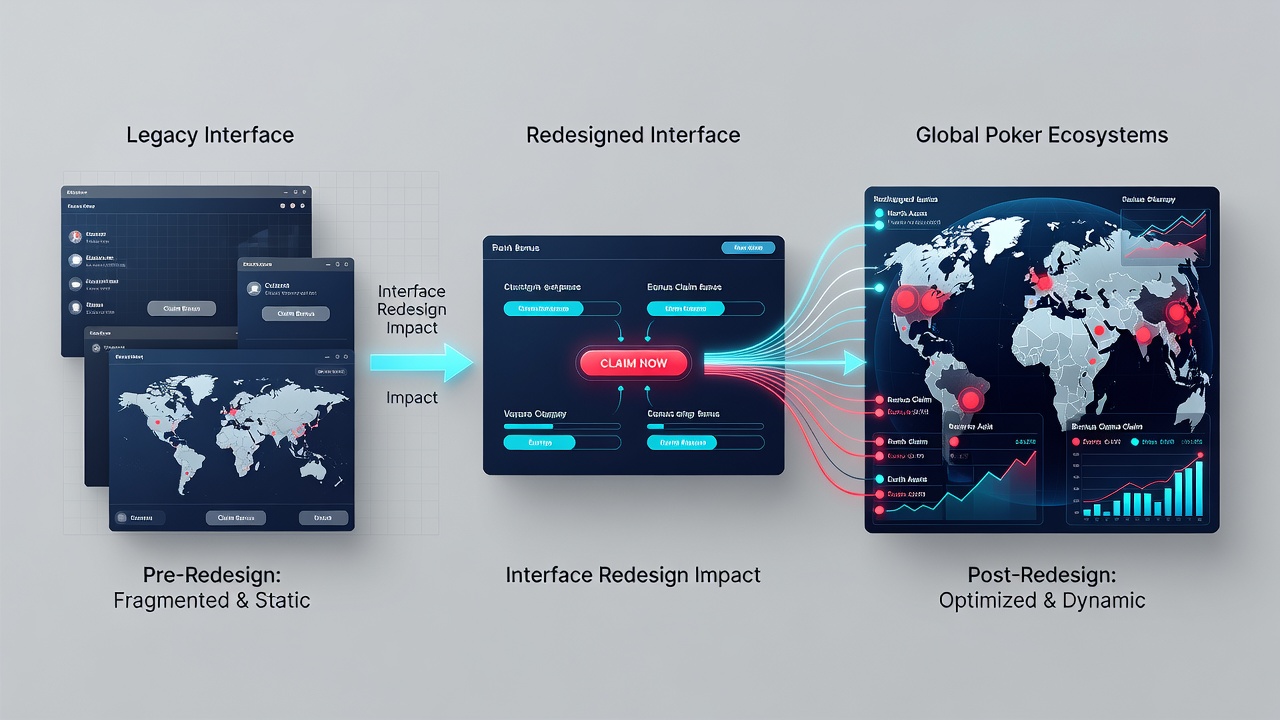
Studies from academic researchers examining user interaction logs confirm that placement of bonus information relative to core gameplay elements influences decision speed, and these findings match internal metrics shared by several operators. Mobile sessions lasting under ten minutes showed the sharpest increase in claims when interfaces placed the offer within the first two screens viewed after login.
Software Updates and Player Segment Responses
Updates rolled out in early 2026 added gesture-based shortcuts for frequent actions including bonus activation, and these changes affected different demographic groups unevenly. Younger player groups adapted quickly to swipe-to-claim mechanics, while longer-tenured users continued relying on traditional menu paths. Platforms that retained legacy navigation options alongside new designs maintained steadier engagement across age brackets, according to reports from the Pennsylvania Gaming Control Board tracking licensed sites.
Cross-device synchronization improvements allowed players to start a claim on desktop and complete verification on mobile, and this feature contributed to higher overall redemption numbers in markets where multi-device usage is common. Networks that tested A/B variations of button size and wording found that concise labels such as "Claim Now" outperformed longer descriptive phrases in most tested regions.
Future Interface Directions and Ongoing Monitoring
Operators continue refining interface elements based on claim pattern analytics gathered through 2026, and upcoming updates are expected to incorporate more dynamic personalization drawn from individual playing history. Regulatory frameworks in multiple jurisdictions now require clearer visibility of wagering terms within redesigned screens, which has prompted standardized placement guidelines across competing platforms. Those monitoring these developments note that continued iteration on notification timing and visual hierarchy will likely sustain shifts in how and when players engage with available promotions.
Conclusion
Interface redesigns have produced measurable changes in bonus claim patterns across global poker ecosystems, with variations tied to device type, regional regulations, and specific layout choices. Continued data collection through 2026 and beyond will clarify which elements deliver sustained effects on player behavior while platforms balance usability improvements with compliance requirements.