14 Jul 2026
How Player Feedback Loops Drive Adjustments in Bonus Structures Across Mobile Poker Platforms
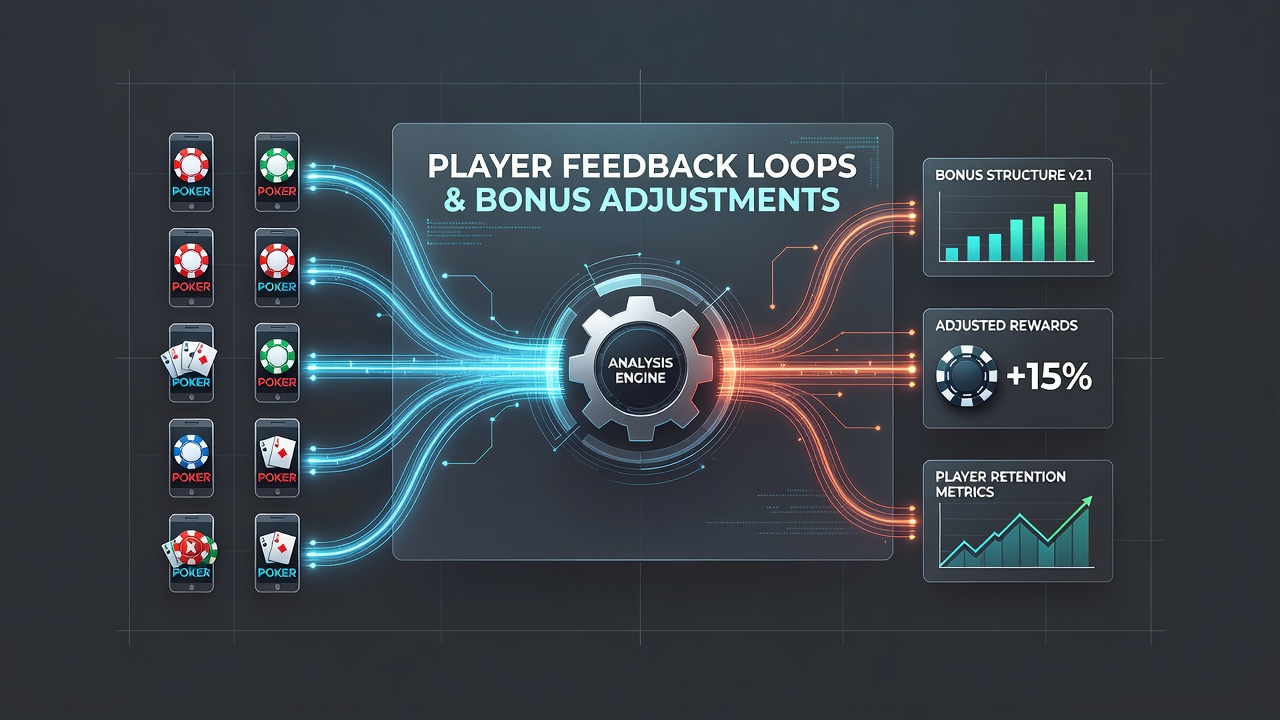
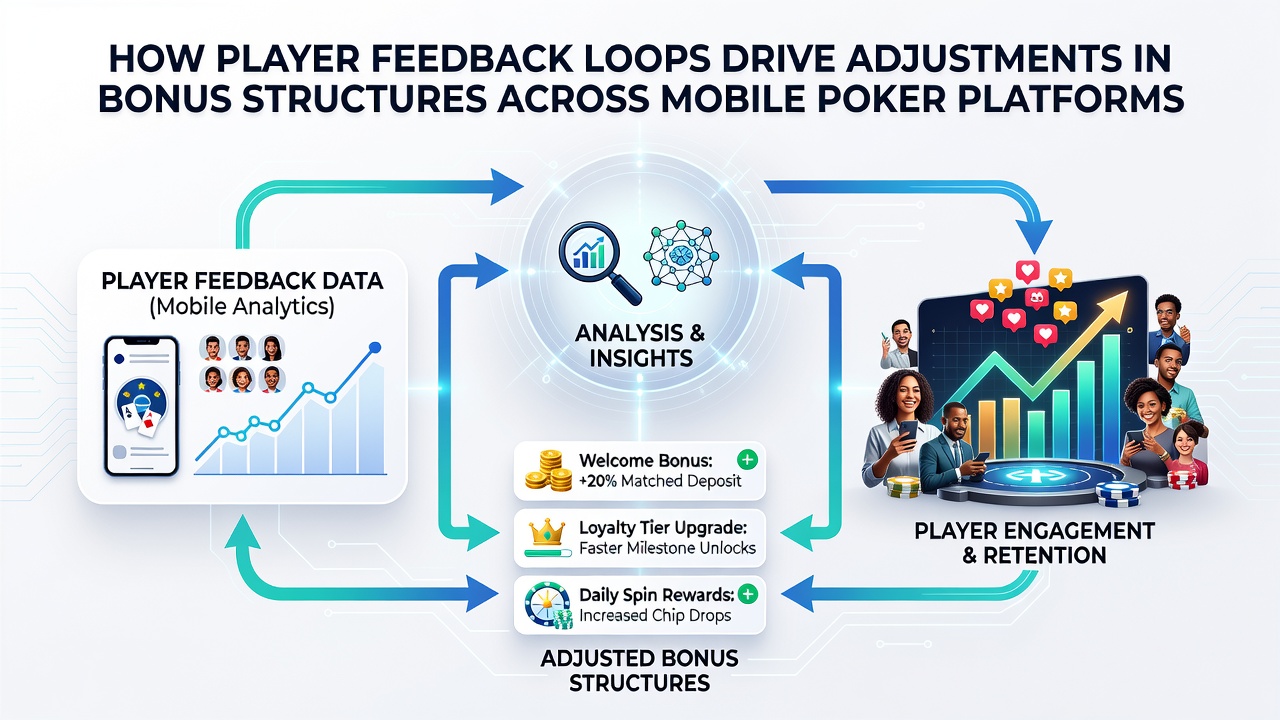
Player feedback loops operate through continuous data collection from mobile poker applications where user interactions with bonus offers generate measurable patterns that platforms analyze and incorporate into structural revisions. These loops rely on metrics such as bonus claim rates, completion percentages for wagering requirements, and subsequent session durations after reward activation, all tracked in real time across global user bases.
Data Collection Mechanisms in Mobile Environments
Mobile poker platforms gather information through in-app prompts that request direct input on reward satisfaction while also logging passive signals including time spent on bonus-related screens and abandonment points during redemption processes. Aggregated datasets from these sources feed into algorithmic models that identify correlations between specific bonus parameters and player retention figures, allowing adjustments to deposit match percentages or cashback tiers without manual intervention in most cases.
Research from academic institutions such as the University of Nevada, Las Vegas International Gaming Institute has documented how these automated systems process millions of data points weekly to refine offer eligibility criteria across different player segments. Platforms operating in regulated markets further align these adjustments with compliance standards set by bodies like the Alcohol and Gaming Commission of Ontario, which oversees mobile gaming operations in Canada.
Adjustment Processes Triggered by Feedback Patterns
When feedback indicates low engagement with high-wagering bonuses, developers reduce threshold amounts or extend time frames for requirement fulfillment, as evidenced in update logs from major applications during the first half of 2026. Conversely, high completion rates paired with positive survey responses often lead to expanded bonus pools or tiered loyalty multipliers that reward consistent participation.
These modifications occur through iterative testing cycles where small user cohorts receive variant structures before wider rollout, ensuring statistical significance in performance shifts. Observers note that such methods minimize revenue leakage while maintaining player acquisition volumes, particularly in competitive markets where multiple applications vie for the same demographic groups.
Regional Variations in Implementation
European operators incorporate feedback from users in multiple jurisdictions to harmonize bonus structures under evolving directives, whereas platforms focused on Asian markets emphasize rapid cycle adjustments based on localized playing habit data collected through language-specific interfaces. In July 2026 several networks introduced region-specific bonus recalibrations following aggregated reports that highlighted differences in preferred reward types between North American and Australasian player cohorts.
Industry reports from organizations including the Australian Communications and Media Authority track how these geographically tailored changes affect overall platform stability and user satisfaction scores over extended periods. Feedback loops in these contexts also account for regulatory caps on promotional value, prompting developers to substitute direct cash bonuses with alternative incentives such as tournament entry credits when thresholds near legal limits.
Impact on Long-Term Platform Dynamics
Continuous refinement through feedback mechanisms has led to more granular segmentation where bonuses adapt not only to individual histories but also to broader community trends identified via machine learning clusters. Data shows that platforms employing robust loop systems experience steadier month-over-month active user counts compared to those relying on static reward frameworks, according to aggregated performance summaries released by mobile analytics providers.
Adjustments frequently target friction points such as delayed reward crediting or unclear terms, with revisions rolled out in phased updates that allow further monitoring of subsequent feedback volumes. This approach creates self-reinforcing cycles where improved structures generate higher-quality data for the next iteration round.
Conclusion
Player feedback loops function as core operational tools that enable mobile poker platforms to evolve bonus structures in response to documented usage patterns and satisfaction indicators. Through systematic collection, analysis, and testing, these systems support ongoing calibration that aligns promotional elements with measurable player behaviors across diverse regulatory landscapes and market conditions as observed through mid-2026.