7 Jul 2026
Mapping Currency Volatility Effects on Player Deposit Behaviors in Cross-Border Online Poker Environments
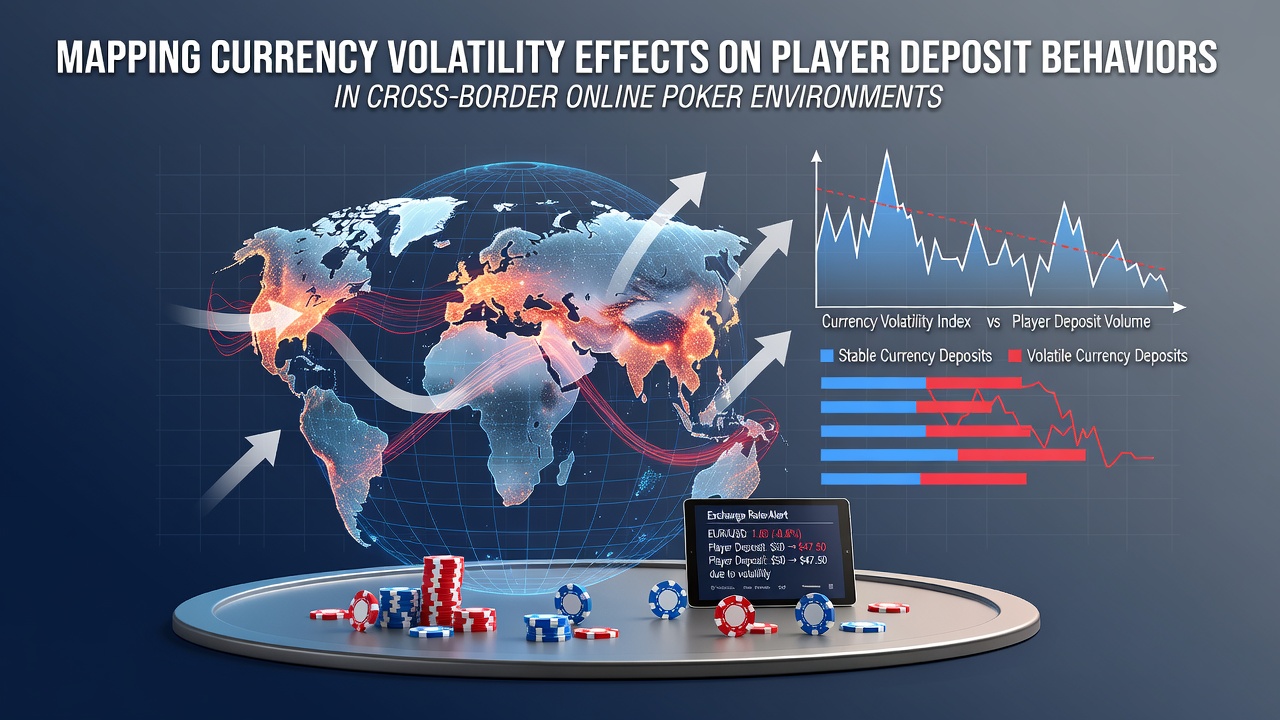
Currency volatility creates measurable shifts in how players fund their accounts on international poker platforms, and data collected from transaction logs between 2024 and 2026 reveal consistent patterns tied to exchange rate swings. Players in regions experiencing rapid depreciation often adjust deposit timing and amounts, while those in stable-currency zones maintain steadier habits even when neighboring markets fluctuate. Observers note that these behaviors become especially pronounced during periods when major poker networks process deposits in multiple denominations simultaneously.
Core Mechanisms Linking Exchange Rates to Deposits
Online poker operators convert local currencies into platform balances at prevailing rates, which means sudden movements in pairs such as BRL/USD or TRY/EUR directly alter the purchasing power of each deposit. Research from the Bank of Canada shows that a 5 percent depreciation in a player’s home currency correlates with a measurable drop in average deposit size within 48 hours, while appreciation tends to produce smaller but still detectable increases. Payment processors record these adjustments automatically, allowing platforms to track behavioral changes without requiring player surveys.
Many networks now offer real-time rate displays at the deposit screen, and players respond by waiting for favorable windows or switching to stablecoins when local volatility exceeds certain thresholds. This pattern appears across both recreational and professional segments, although the magnitude differs by average stake level.
Regional Patterns Documented Through 2026
Latin American markets provide clear examples of how volatility influences timing. When the Brazilian real weakened sharply against the dollar in early 2025, deposit volumes on major sites dipped during peak volatility days before recovering once rates stabilized. Similar sequences occurred in Turkey and Argentina, where players shifted toward cryptocurrencies or delayed deposits until exchange rates improved. Data collected by the Monetary Authority of Singapore indicates that Southeast Asian participants exhibit parallel reactions when regional currencies move against the USD, though the recovery period tends to be shorter than in South American jurisdictions.
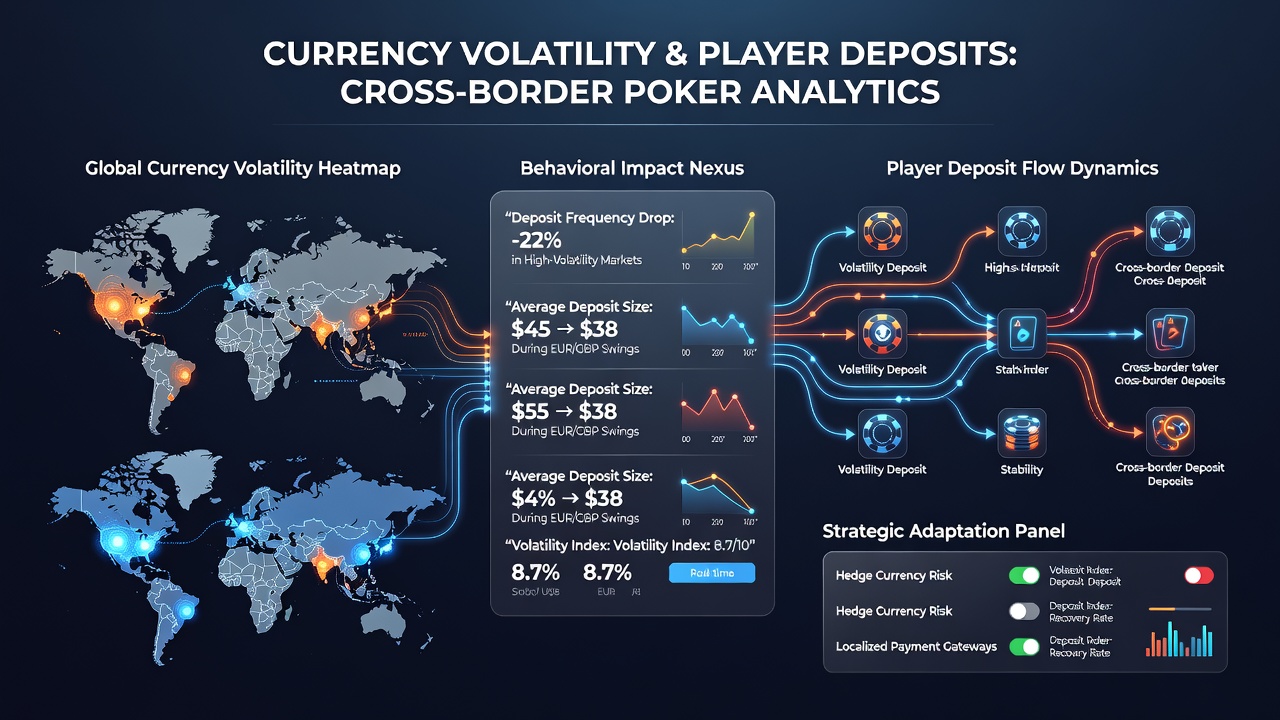
European players face different dynamics because the euro provides a relatively stable base for many sites. Still, participants from non-euro countries such as Poland and Hungary show deposit compression when the zloty or forint weakens, according to transaction summaries shared in industry reports. North American users, operating primarily in USD or CAD, display less sensitivity overall, yet cross-border players from Canada who fund accounts in euros still register timing adjustments during periods of euro volatility.
July 2026 Observations and Platform Adjustments
During July 2026, several networks reported elevated deposit activity from regions experiencing temporary currency strength, while markets with ongoing depreciation saw continued caution. Operators responded by expanding support for additional local currencies and refining their hedging tools to maintain consistent rake structures despite rate swings. These changes allowed platforms to reduce friction for players who previously abandoned deposits when conversion losses exceeded a few percentage points.
Payment gateway providers also introduced features that lock in exchange rates for short windows, giving players greater certainty before completing transactions. Such tools appear most frequently on networks serving high-volatility regions, where they correlate with higher completion rates on deposit attempts.
Behavioral Segmentation and Deposit Method Shifts
Analysis of deposit method preferences reveals that credit card usage declines faster than e-wallet or crypto deposits during volatility spikes. Players appear to favor methods that allow quick reversals or smaller incremental transfers when exchange rates remain uncertain. Professional players maintain higher overall deposit frequency regardless of volatility, yet they too reduce average amounts per transaction when home-currency depreciation accelerates.
Recreational participants show stronger sensitivity to rate announcements, often pausing activity until media coverage indicates stabilization. These differences emerge consistently across datasets spanning multiple continents and operator types.
Conclusion
Transaction records and regulatory filings together demonstrate that currency volatility produces predictable, segmented effects on deposit behaviors in cross-border online poker environments. Networks that provide transparent rate information and flexible payment options record smaller disruptions during periods of fluctuation, while players continue to adapt timing and method choices based on real-time economic signals. Continued monitoring through 2026 and beyond will clarify whether these patterns intensify or moderate as more platforms integrate additional hedging mechanisms.