26 May 2026
Mapping the Interplay Between Regional Regulations and Loyalty Program Structures in Virtual Card Rooms
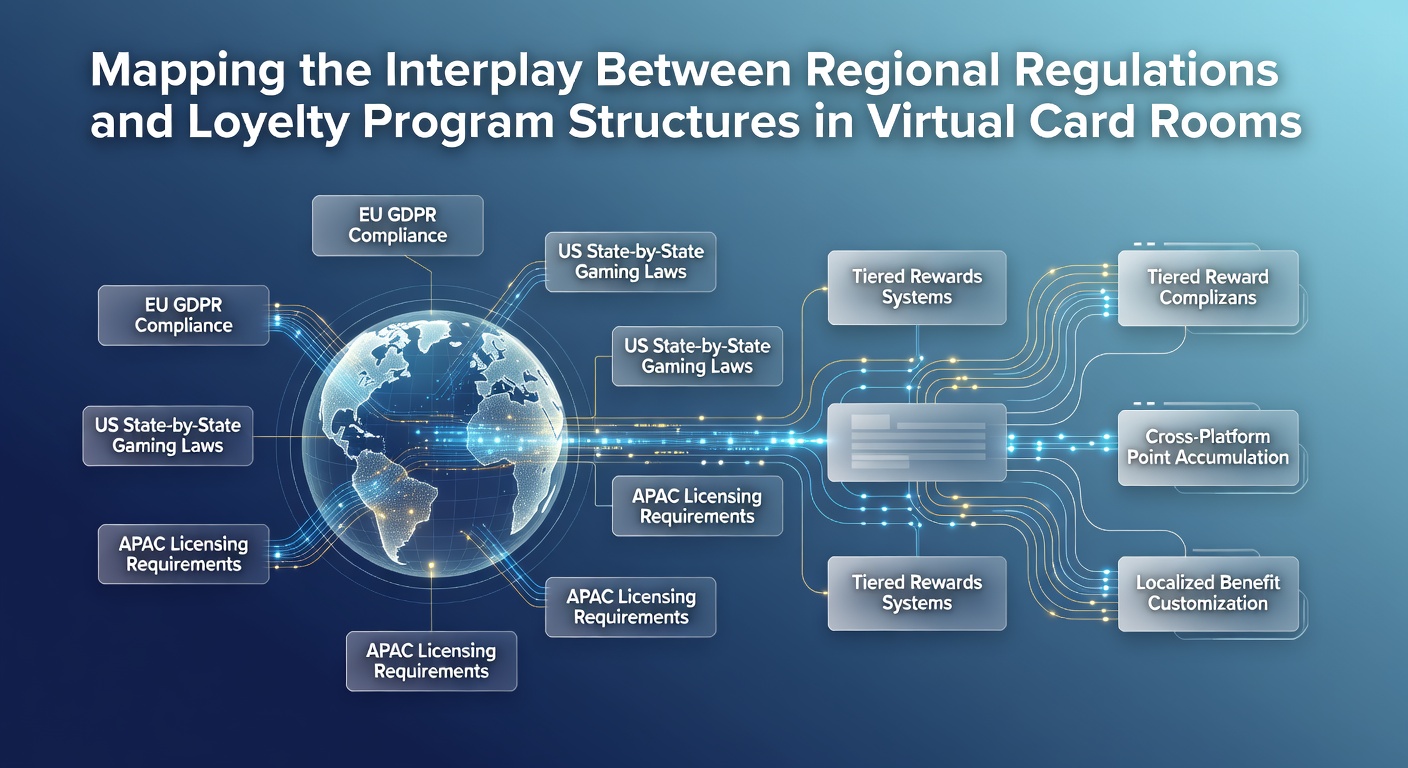
Virtual card rooms operate across fragmented regulatory landscapes where loyalty program structures must adapt to local rules on player rewards, data handling, and promotional transparency, and this interplay shapes everything from point accumulation rates to redemption options available to participants in different jurisdictions.
Regional Regulatory Baselines Shape Reward Mechanics
Regulators in North America enforce state-specific guidelines that directly influence how operators design loyalty tiers, since jurisdictions like New Jersey require clear disclosure of all bonus terms while neighboring states maintain stricter limits on cross-border player incentives; data from the New Jersey Division of Gaming Enforcement shows that compliant programs must separate promotional credits from cashable balances to prevent unintended violations. European markets add layers of consumer protection that affect point expiration policies and reward valuations, with authorities in Malta and several EU member states mandating audit trails for every loyalty transaction to align with anti-money laundering directives.
Australian frameworks emphasize harm minimization which restricts certain high-value reward redemptions, forcing operators to cap cashback percentages or tie them to responsible gaming tools, and similar patterns appear in Canadian provincial systems where loyalty structures incorporate mandatory self-exclusion linkages that automatically pause point earning for flagged accounts.
Loyalty Structures Adapt to Compliance Demands
Operators build tiered systems around rake contributions yet calibrate earning rates according to regional caps on promotional value, so a player in one market might accumulate points at a 1:1 ratio while the same activity yields reduced multipliers elsewhere due to local bonus restrictions; these adjustments maintain platform viability without breaching spending or incentive limits imposed by regulators. Research from gaming industry reports indicates that programs often incorporate geographic segmentation, delivering region-specific rewards such as tournament tickets in permitted areas or merchandise vouchers where cash redemptions face tighter scrutiny.
Technology Enables Region-Specific Customization
Backend systems track player locations in real time and apply corresponding loyalty rules, which means account interfaces display different menus and earning rates depending on detected jurisdiction, and this technical layering allows single platforms to serve multiple regulatory environments without structural conflicts. Compliance teams routinely audit these automated adjustments to confirm ongoing alignment with evolving statutes, particularly as new licensing rounds introduce fresh requirements for reward transparency.
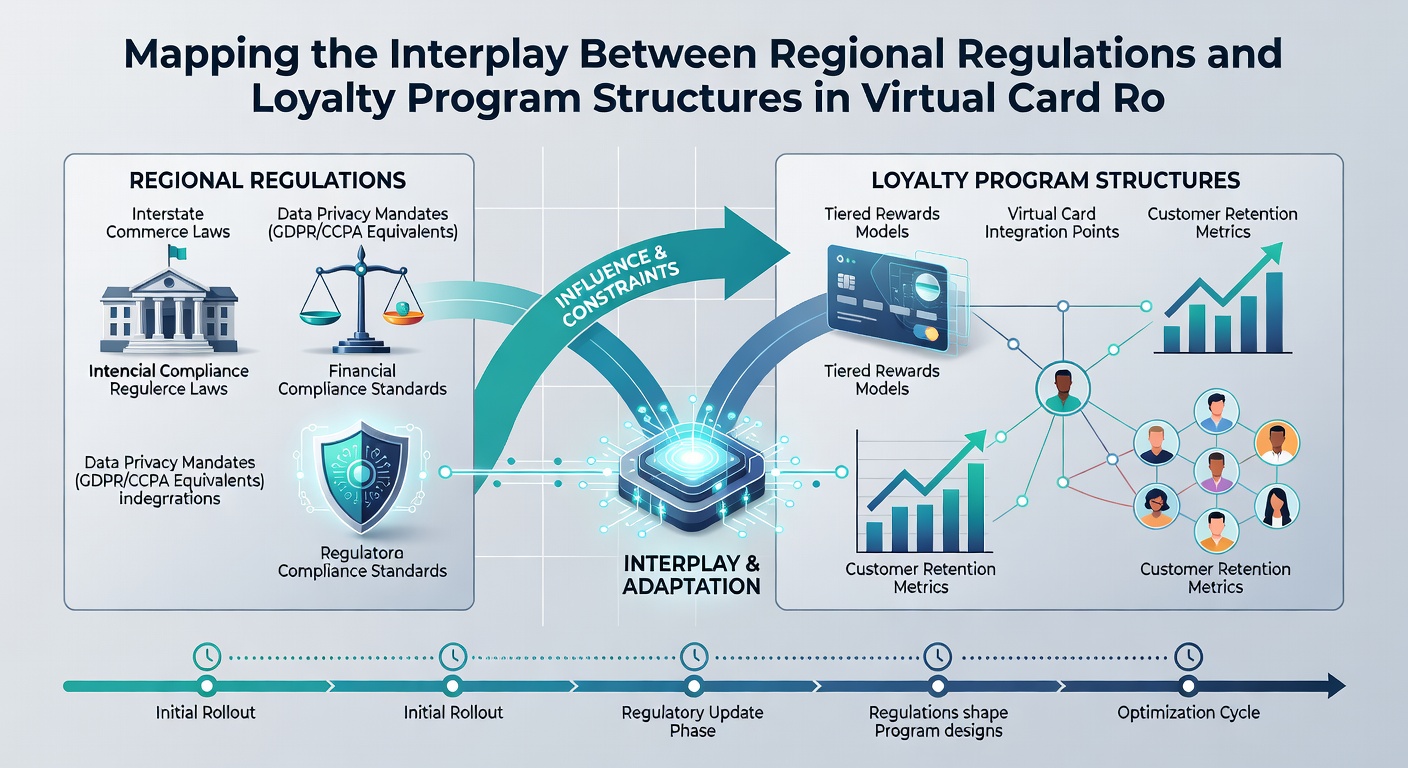
Platforms also integrate identity verification layers that influence loyalty eligibility, since regions demanding enhanced KYC processes may delay point crediting until full documentation clears, creating staggered reward timelines that differ from markets with lighter onboarding standards.
Case Examples From Multiple Markets
One operator serving both European and North American players adjusted its VIP cashback schedule after regulatory updates in two jurisdictions required separate reporting of loyalty liabilities, resulting in parallel but distinct reward ledgers that feed into unified player dashboards while satisfying each oversight body. Another platform introduced region-locked redemption catalogs after Australian authorities flagged certain travel reward redemptions as potential inducements, shifting those options exclusively to North American accounts where such offerings remain permitted.
Observers tracking these shifts note that programs in emerging markets such as parts of Latin America often mirror European transparency models due to licensing partnerships, creating hybrid structures that blend high-tier rakeback with mandatory responsible gaming prompts at every reward milestone.
Developments Expected Through 2026
Regulatory consultations scheduled for completion by May 2026 in several Canadian provinces and select Asian markets could introduce standardized reporting formats for loyalty liabilities, prompting operators to pre-build modular program architectures that accommodate unified data exports across borders. Industry associations including the European Gaming and Betting Association have published preliminary guidance on these potential changes, highlighting how unified metrics might streamline compliance while preserving regional customization of reward menus.
Academic analyses from university gaming research centers further suggest that forthcoming rules around data portability could allow players to transfer accrued loyalty points between licensed platforms, an adjustment that would require significant re-engineering of current point ledgers to ensure regulatory audit compatibility.
Conclusion
The mapping of regional regulations onto loyalty program structures reveals a dynamic equilibrium where operators continuously recalibrate earning rates, redemption options, and segmentation tools to satisfy overlapping compliance layers, and this process continues to evolve as new licensing frameworks emerge in 2026 and beyond. Platforms that maintain flexible technical foundations demonstrate greater capacity to integrate these requirements without disrupting player engagement across jurisdictions.