13 Jun 2026
Patterns in Tournament Scheduling and Their Effects on Software Preference Among Diverse Player Groups
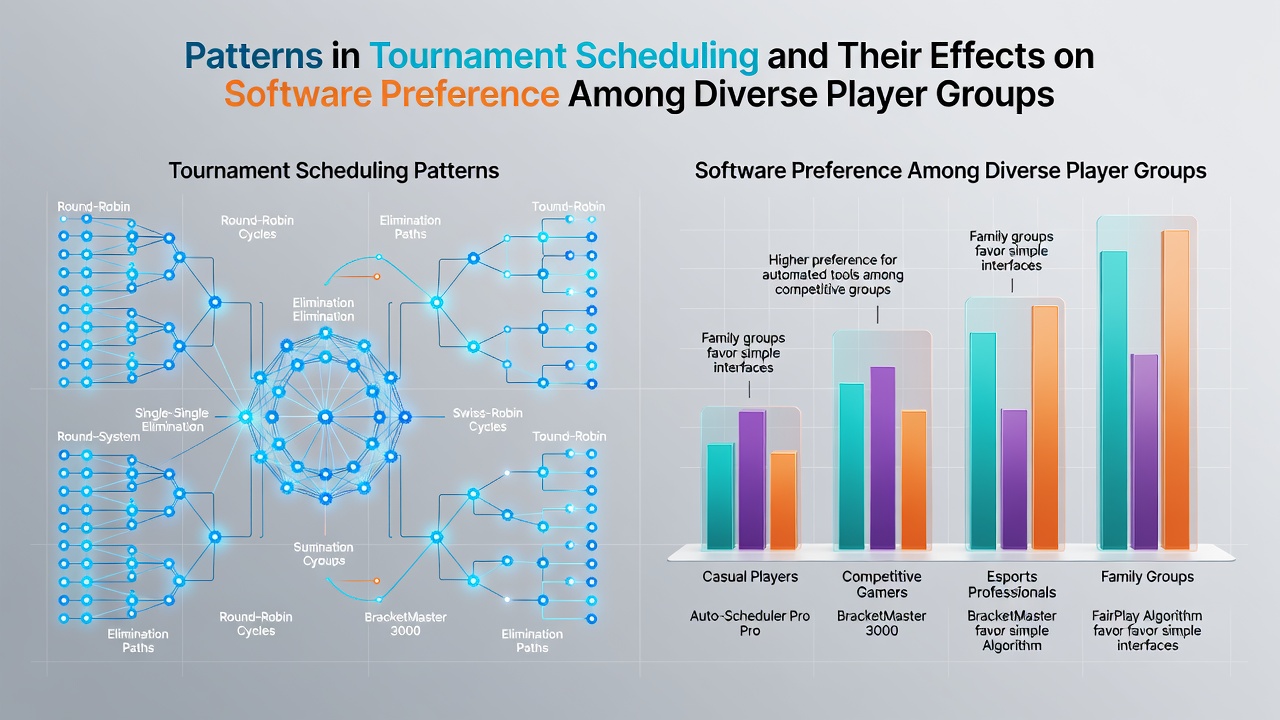
Tournament scheduling in poker follows recurring patterns that align with player availability across time zones and regions, and these patterns shape which software platforms gain traction among specific groups. Data from international networks shows that events clustered in evening hours for North American participants draw higher engagement on mobile applications compared to desktop versions, while European daytime slots favor platforms with advanced multi-table features.
Regional Timing Influences Software Selection
Observers note that Asia-Pacific tournaments often start in early morning local times to match global prime hours, leading players in that region to prefer software with robust mobile notifications and quick load times. Research indicates that platforms offering seamless transitions between devices see increased adoption when schedules cross multiple continents, as participants switch from desktop at home to mobile during commutes.
Figures from June 2026 reveal a spike in registrations for events timed around major holidays in South America, where users gravitated toward applications supporting local payment integrations and language options. Those patterns emerge because scheduling decisions prioritize peak participation windows, which in turn highlight software strengths like low-latency connections during high-traffic periods.
Demographic Variations in Platform Choices
Younger players aged 18 to 34 demonstrate a consistent preference for software emphasizing social features and rapid tournament entry when schedules include frequent late-night series, whereas older demographics select platforms with detailed analytics tools for daytime events. Studies from gaming research institutions show that gender distributions also play a role, with female participants in European circuits opting for interfaces that include customizable alerts tied to family-friendly timing blocks.
One analysis of player logs across networks found that professionals in high-stakes brackets favor software supporting advanced filtering for schedule overlaps, allowing them to manage multiple time zones without conflicts. Casual participants, by contrast, cluster around simpler apps when tournaments follow predictable weekend patterns that accommodate work schedules in the United States and Canada.
Data Patterns from Global Networks
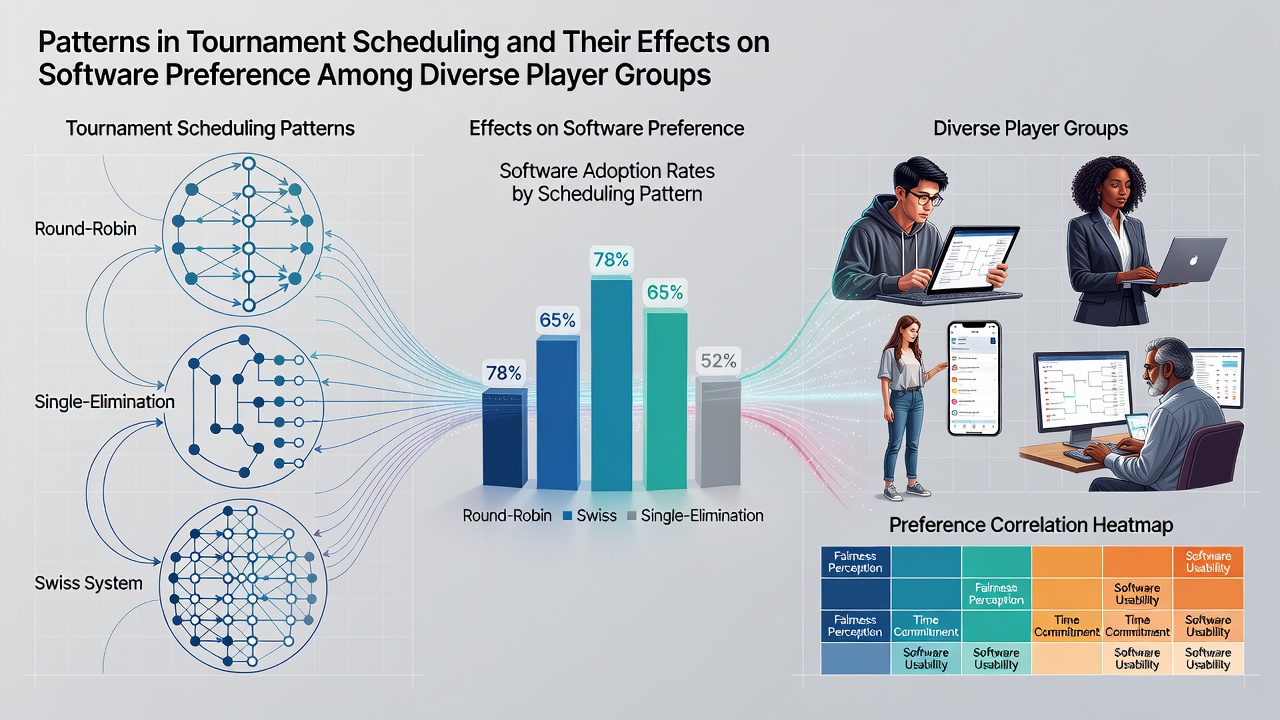
According to reports compiled by the European Gaming and Betting Association, software preference shifts occur when organizers adjust schedules to include more short-duration formats popular among working professionals in urban centers. These adjustments correlate with higher downloads of applications featuring integrated schedule calendars and push reminders that sync across devices.
Academic papers on digital gaming behaviors document how Latin American users respond to afternoon slots by selecting platforms with Spanish-language support and regional server optimizations. The same datasets indicate that Australian participants show elevated loyalty to software that handles daylight saving transitions smoothly during their summer tournament rushes.
Interplay Between Schedule Density and Feature Adoption
High-density scheduling weeks produce measurable upticks in the use of software with anti-collision tools that prevent overlapping registrations, a capability particularly valued by competitive circuits in Asia. Data shows that sparse schedules, such as those during off-peak months, lead diverse groups to experiment with emerging platforms that offer experimental formats like accelerated blind structures.
Industry organizations tracking user metrics note that these preferences stabilize when schedules repeat annually, allowing developers to refine features based on recurring demographic feedback from North American and European player bases. Yet the introduction of hybrid online-live events in mid-2026 prompted shifts toward applications with cross-platform synchronization that appeal to traveling professionals.
Long-Term Effects on Player Retention
Retention rates improve on platforms whose scheduling tools match the habits of specific cohorts, such as students who favor late-evening micro-tournaments supported by mobile-first designs. Evidence from longitudinal studies suggests that mismatches between announced schedules and software capabilities drive users toward competitors with better alignment, especially among groups in emerging markets where connectivity varies.
Those patterns hold across multiple networks because scheduling serves as the primary filter through which players evaluate functionality, from notification systems to statistical overlays. Observers tracking June 2026 trends report that platforms incorporating user-voted schedule adjustments see broader adoption among multicultural player pools.
Conclusion
Patterns in tournament scheduling continue to guide software preferences by matching event timing with the practical needs of varied demographics worldwide. Networks that analyze these alignments maintain stronger engagement across regions, as participants select tools that complement their routines without friction. Ongoing data collection from regulatory bodies and research groups ensures these connections remain visible as global poker ecosystems evolve.