2 Jun 2026
Tracing How Data Encryption Protocols Influence Player Trust Dynamics Across Poker Platform Ecosystems
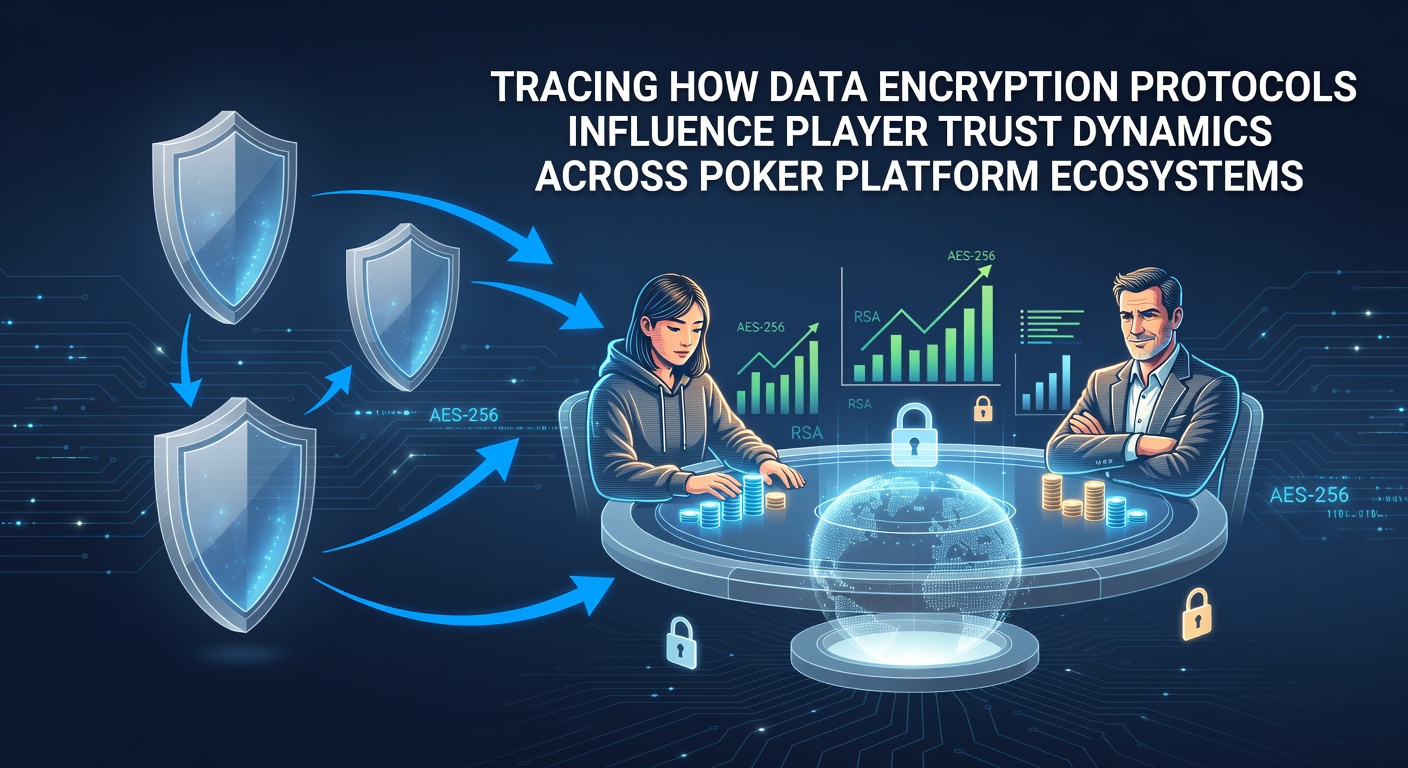
Encryption protocols form the backbone of data security measures that poker platforms deploy to protect player information during transmission and storage, and observers track how these technical safeguards shape trust levels among users who participate in virtual card rooms worldwide. Research from various regulatory bodies shows that protocols such as TLS 1.3 combined with AES-256 encryption reduce risks of data interception, which in turn correlates with higher retention rates on platforms that implement them consistently. Data indicates that players access networks where end-to-end encryption covers hand histories, financial transactions, and personal identifiers, and this coverage leads to measurable shifts in how users perceive platform reliability over time.
Core Encryption Standards Applied in Poker Ecosystems
Platforms integrate multiple layers of encryption that begin at the point of user login and extend through every data exchange, while industry reports highlight that adoption rates for advanced standards reached new benchmarks by early 2026. Observers note that protocols evolve in response to emerging threats, and this evolution occurs alongside updates from standards organizations that set benchmarks for cryptographic strength. Those who study digital security in gaming environments find that compliance with these protocols varies by jurisdiction, yet the presence of audited encryption often appears in platform disclosures that list specific cipher suites in use.
Figures from government sources reveal that regions enforcing strict data protection rules see faster rollout of updated protocols, and this pattern holds across North American and European markets where operators must demonstrate encryption efficacy during licensing reviews. Researchers discovered that platforms using forward secrecy mechanisms prevent retroactive decryption of past sessions even if long-term keys become compromised, and such features contribute directly to sustained user engagement metrics tracked by analytics firms.
Regional Regulatory Influences on Protocol Implementation
Regulatory frameworks in different parts of the world dictate minimum encryption requirements that operators must meet, and these mandates create baseline conditions under which trust dynamics develop among player bases. According to documentation from the European Securities and Markets Authority, encryption standards align with broader data protection directives that require demonstrable safeguards for financial and personal data flows. Platforms operating under these rules report encryption audit results that feed into public trust indices compiled by independent monitoring groups.
In contrast, Canadian provincial regulators emphasize ongoing testing of encryption implementations, and data from those oversight bodies shows that verified protocols correlate with lower incident reports related to unauthorized access attempts. Players in these regulated environments encounter transparency reports that detail encryption performance during peak traffic periods, and this information influences decisions about which networks to join for extended play sessions.
What's interesting emerges when examining how encryption strength intersects with user behavior patterns across ecosystems. Studies compiled by academic institutions indicate that platforms advertising specific protocol versions experience different trust trajectories compared with those that provide less detail, and these differences appear in longitudinal surveys conducted through mid-2026. One analysis released in June 2026 by a collaborative research project across multiple universities documented that users who receive clear explanations of encryption benefits show higher rates of account verification completion and repeated deposits.
Trust Metrics and Behavioral Data Patterns
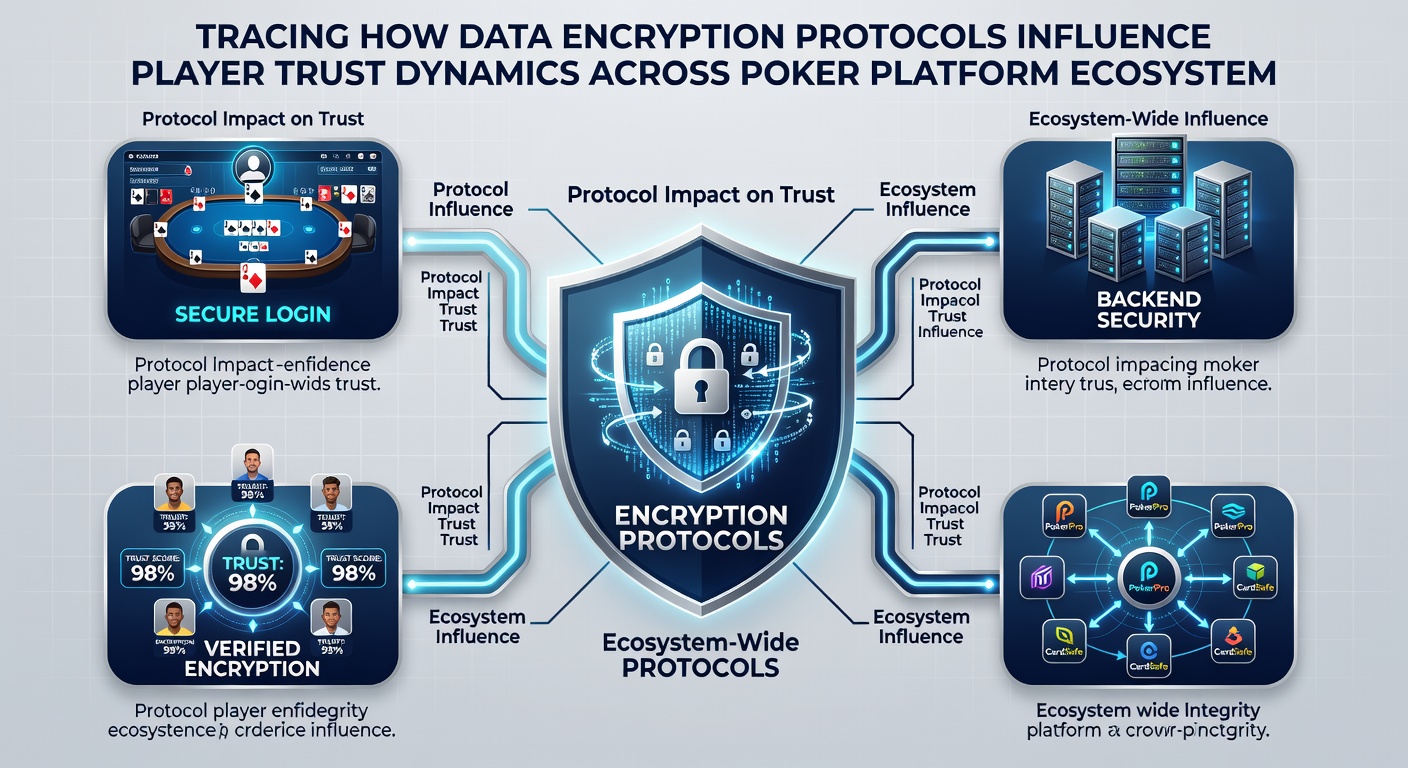
Behavioral analytics collected across major poker networks demonstrate connections between encryption visibility and player loyalty indicators, while researchers continue to map these relationships through aggregated datasets that exclude individual identifiers. Observers note that trust scores derived from survey instruments rise when platforms publish encryption certification details alongside standard terms of service. This visibility allows users to compare offerings across ecosystems without needing specialized technical knowledge, and the resulting comparisons shape platform selection over multiple tournament cycles.
Evidence from industry-wide reports suggests that encryption-related incidents remain rare on networks with regular third-party audits, yet when such events occur they produce measurable dips in active user counts that recover at different rates depending on remediation transparency. Those who've examined recovery timelines find that prompt disclosure of encryption upgrades following incidents accelerates trust restoration compared with delayed communications. Platforms in Australia, for instance, operate under guidelines from the Australian Communications and Media Authority that require encryption status updates during any security reviews, and this requirement supports steadier player confidence levels across the region.
Future Protocol Developments and Ecosystem Responses
Emerging quantum-resistant encryption methods begin to appear in pilot programs on select poker platforms, and testing phases scheduled through late 2026 aim to evaluate compatibility with existing transaction volumes. Researchers track how early adoption of these methods affects player perceptions even before full deployment, and preliminary data indicates that announcements alone can stabilize trust metrics during periods of broader industry transition. Operators coordinate with standards bodies to align implementations, which reduces fragmentation that might otherwise erode cross-platform confidence.
Those monitoring ecosystem health observe that smaller platforms sometimes lag in protocol upgrades due to resource constraints, and this lag creates observable differences in user migration patterns toward larger networks with established encryption credentials. Data from monitoring services shows that such migrations intensify when regulatory announcements emphasize encryption audits as licensing prerequisites, and the resulting concentration affects competitive dynamics across virtual card room markets.
Conclusion
Encryption protocols continue to serve as foundational elements that underpin trust dynamics within poker platform ecosystems, and ongoing developments in both technology and regulation shape how these dynamics unfold across regions. Documentation from diverse sources illustrates consistent patterns where protocol strength and transparency align with sustained user participation, while variations in implementation create distinct trajectories for different operators. As new standards advance and regulatory expectations evolve, the interplay between technical safeguards and player trust remains a central factor tracked by analysts and oversight entities alike.