4 Jun 2026
Unraveling Deposit Method Preferences Among Different Poker Player Segments Worldwide
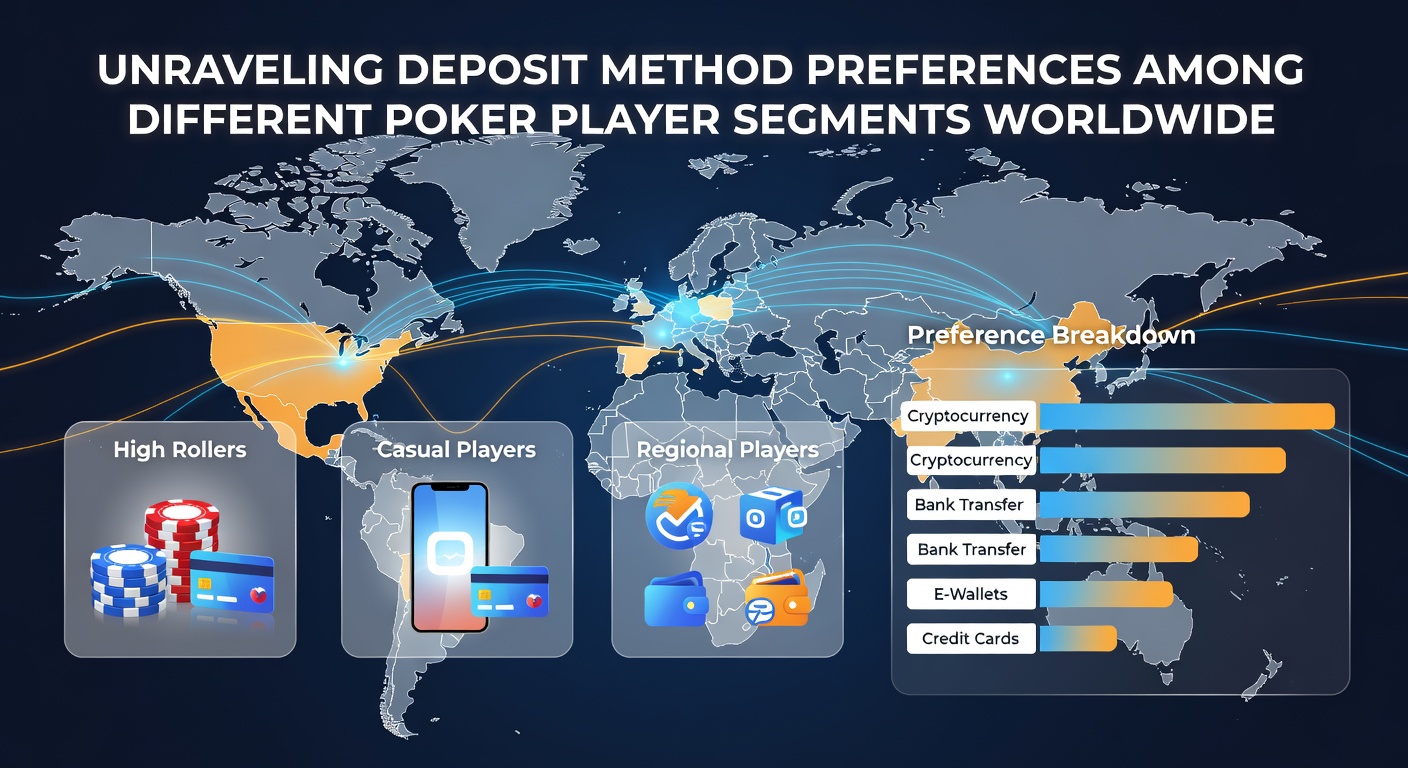
Deposit method preferences among poker players reveal clear patterns tied to geography, age groups, and experience levels, with data from multiple sources showing consistent divides between segments. In North America credit card transactions still dominate for recreational players while e-wallets gain traction among younger participants who value speed adn privacy features. Research from the University of Nevada Las Vegas Center for Gaming Research indicates that these choices often reflect broader banking infrastructure and regulatory environments rather than isolated player habits.
Regional Differences Shape Transaction Choices
European markets demonstrate a strong shift toward digital wallets and prepaid options particularly in countries with established online frameworks, whereas Asian segments frequently rely on bank transfers and cryptocurrency for larger stakes. Observers note that in Latin America mobile payment apps have become standard among casual participants because they align with everyday banking apps already in use. These patterns hold steady across multiple years of aggregated platform data even as new methods enter the market.
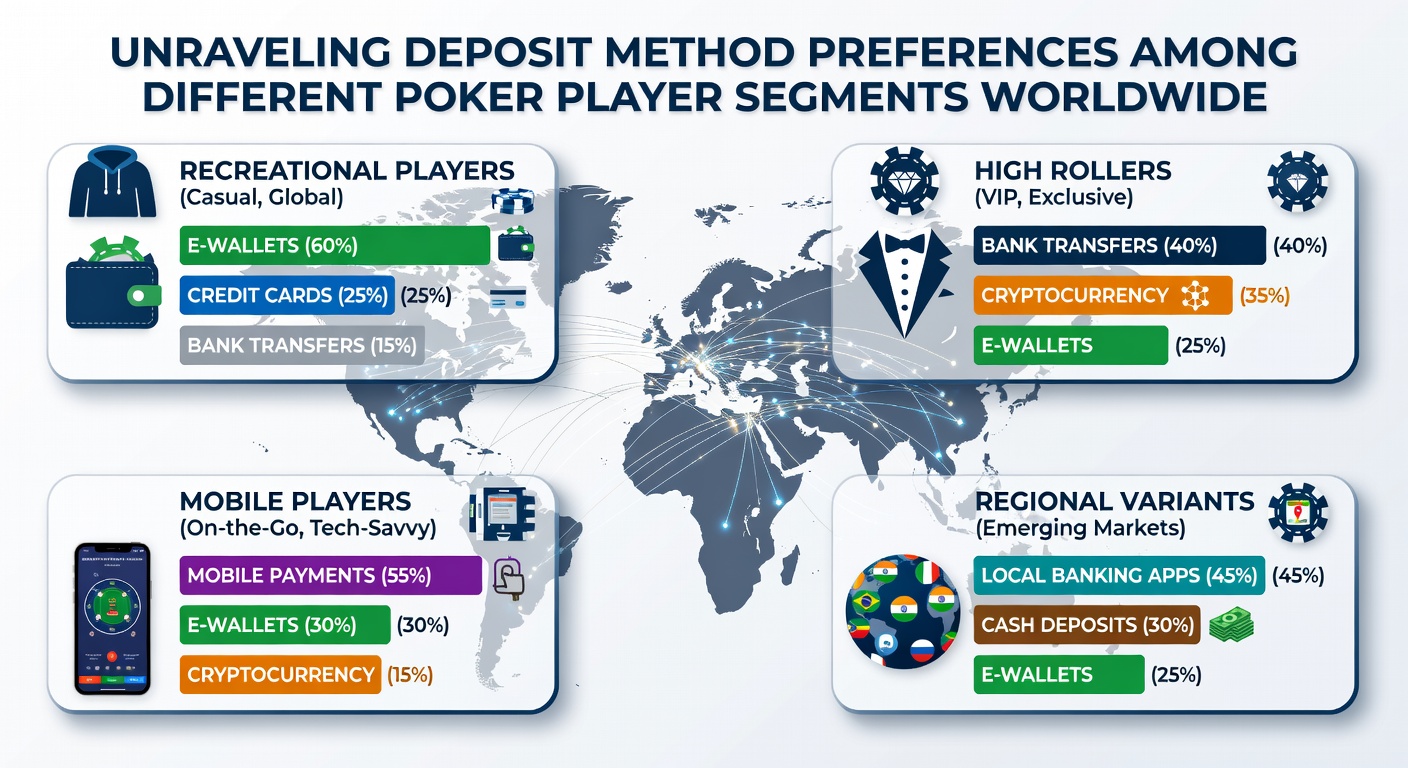
High-volume players in competitive circuits show distinct behavior compared with occasional participants, often favoring methods that minimize fees and support rapid withdrawals. One study tracking transactions through 2025 found professionals in major tournaments leaned toward cryptocurrency options at rates nearly double those of recreational users in the same regions. Bank wires remain common for substantial deposits among established players who prioritize security over convenience.
Age and Experience Drive Method Selection
Younger demographics aged 18 to 34 increasingly select cryptocurrency and instant transfer services according to figures released by the European Gaming and Betting Association in early 2026. Older segments continue to use traditional credit and debit cards at higher volumes, citing familiarity and established fraud protections. Data shows this split persists worldwide even in markets where multiple options are available side by side.
Experience level further refines these preferences, with newcomers testing several methods before settling on one or two reliable choices. Seasoned participants meanwhile streamline their processes around platforms that offer loyalty integration or reduced processing times. Reports compiled through mid-2026 highlight how these habits remain stable despite periodic platform updates and promotional incentives.
Platform Adaptations and Emerging Trends
Operators have responded to these segmented preferences by expanding supported methods on a regional basis while maintaining core compliance standards. In June 2026 several major networks introduced localized payment gateways that reduced average processing times for specific player groups. These adjustments reflect ongoing analysis of transaction logs rather than broad assumptions about user behavior.
Cryptocurrency adoption continues to rise among mobile-first players who access sites through apps, especially in areas where traditional banking hours limit other options. Yet cash-based deposit systems still serve segments in regions with limited digital infrastructure, maintaining a steady share of overall volume. Platform metrics collected across 2025 and 2026 confirm that hybrid approaches work best when tailored to actual usage data.
Security and Regulatory Influences
Security concerns remain a primary factor across all segments, prompting players to select methods with visible encryption and dispute resolution processes. Regulatory changes in various jurisdictions have prompted shifts toward verified accounts and documented transaction histories. Those monitoring industry reports note that compliance requirements often steer certain demographics toward specific approved channels over others.
Payment providers themselves have adapted offerings to meet poker-specific demands such as recurring small deposits and quick verification for tournament entries. This evolution appears in transaction volume statistics that track both frequency and average amounts by method type. The resulting ecosystem allows different player types to operate according to their own risk tolerance and logistical needs.
Conclusion
Deposit method preferences continue to fragment along clear lines defined by location, age, and playing intensity, with platforms adjusting offerings to match observed behaviors. Data from academic centers and industry associations provide ongoing snapshots that help explain these worldwide patterns without assuming uniform trends. As new payment technologies emerge, segments will likely maintain distinct habits shaped by infrastructure, regulation, and personal priorities.